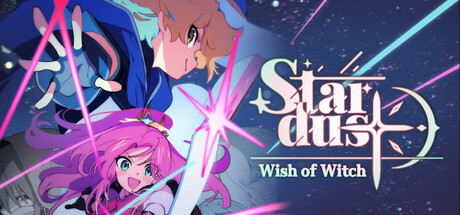
Introduction: A Nostalgic Echo in the Modern SRPG Landscape
In today's gaming industry, finding a classic-style Tactical RPG (SRPG) that captures the magic of the golden era is a rare treat. Enter STARDUST: Wish of Witch, an indie title that heavily channels the nostalgic vibes of legendary classics like Farland Tactics. Boasting gorgeous 2D pixel art, beautifully animated character sprites, and a fully voiced main story in Korean, the game immediately draws players into its whimsical fantasy world. However, beneath this enchanting facade lies a double-edged sword: a game that attempts highly innovative combat mechanics while simultaneously suffering from bafflingly outdated user experience (UX) design. At Solar82 IT & Digital Magazine, we dive deep into this beautiful yet frustrating tactical journey.
Innovative Combat: The Dance of Combos and Counters
The core strength of STARDUST: Wish of Witch lies in its unique combat system, which blends traditional grid-based movement with deck-building card mechanics. Instead of standard attack commands, players construct custom skill decks for each character, managing mana costs and cooldowns to maximize efficiency. The combat shines brightest through its 'Combo' and 'Counter' systems. Initiating a turn with a basic skill can trigger a chain of devastating follow-up attacks, providing immense satisfaction. Conversely, the counter system introduces a high-stakes psychological game.
Because enemies also possess counter cards, players cannot mindlessly rush in. You must constantly monitor the enemy's remaining mana, skill cooldowns, and potential card pool to avoid walking into a deadly trap. This strategic depth is apparent early on; even the tutorial-phase Gnoll Leader boss fight requires multiple restarts and careful planning, proving that the game does not shy away from offering a robust challenge to tactical veterans.
A Visual and Auditory Feast
From a presentation standpoint, the game is an absolute triumph for an indie production. The warm, nostalgic pixel art is paired with fluid, expressive character animations and dynamic skill cutscenes that make every battle feel alive. The banter between the main protagonists, Star and Yuu, is charming and well-written, further elevated by top-tier Korean voice acting that covers the entire main storyline. The soundtrack and sound effects perfectly complement the adventurous atmosphere, creating an immersive sensory experience that rivals high-budget classics.
The Achilles' Heel: Severe UX and Quality-of-Life Deficiencies
Unfortunately, the joy of combat and visual splendor is frequently overshadowed by a frustrating lack of basic quality-of-life (QoL) features. For a modern SRPG, the omissions are glaring. Most notably, there is no visual indicator for enemy movement or attack ranges. Players are forced to manually open the enemy's stat sheet, check their speed and skill ranges, and calculate the grid distance in their heads. Furthermore, the turn order during the player phase is strictly locked to the party slot configuration, preventing players from dynamically switching between characters to adapt to changing battlefield conditions.
The deck-building user interface is equally tedious. The lack of drag-and-drop functionality means that rearranging or swapping skill cards requires a multi-step process of removing cards individually and searching for replacements from a horizontal list. Controller support is also poorly optimized; the lack of cursor acceleration and clunky targeting mechanics make playing with a gamepad a chore, leading to significant physical fatigue compared to using a mouse and keyboard. Additionally, international players have noted that the Traditional Chinese translation suffers from poor machine-translation quality, which severely detracts from the narrative experience.
Technical Instability and Save System Constraints
On the technical front, several issues hinder the overall experience. The absence of Steam Cloud support is a major oversight in an era where cross-device play is standard, leaving Steam Deck users unable to sync their progress with their PCs. Compounding this are optimization issues, with multiple users reporting game crashes, freezes, and even blue screens during specific skill animations or chapter transitions.
The save system is another point of contention. There is no mid-battle save feature, and players cannot save during the intermission/preparation phase in town. Saving is strictly restricted to the guild reporting screen immediately following a battle. If a player spends time managing gear and upgrading skills during intermission and then experiences a crash or closes the game, all that preparation progress is lost, forcing them to replay the previous battle. Additionally, the slow pacing of character progression and delayed unlocking of key facilities (like the blacksmith and observatory) can make the mid-game feel like an unnecessary grind.
Verdict: A Diamond in the Rough Awaiting Polish
STARDUST: Wish of Witch is a beautiful diamond in the rough. It possesses all the ingredients of a classic masterpiece: stunning pixel art, a fully voiced narrative, and a deeply strategic combat system that rewards careful planning. However, its severe UX flaws, rigid systems, and technical hiccups create a barrier that may deter casual players. For hardcore SRPG enthusiasts who are willing to overlook these frustrations for the sake of a great story and aesthetic, it is a highly recommended experience. If the developers actively listen to community feedback and deliver swift patches to address the UI, save mechanics, and stability, this title has the potential to transition from a flawed gem into an absolute must-play classic.
👉 View on Steam




댓글 없음:
댓글 쓰기