Onimusha: Way of the Sword – A Critical Analysis of Failed Tradition-Meets-Modernity Synthesis
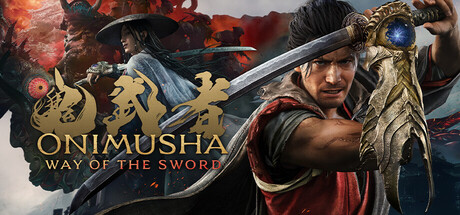
1. Paradigm Shift and Market Expectations: The Core Disconnect
Onimusha: Way of the Sword marks Capcom’s 20-year return to the franchise, explicitly positioning itself as a synthesis of Japanese folklore and Western narrative traditions. However, this declaration exposes a structural misalignment between developer intent and market demands. The original Onimusha: Dawn of Destiny (2001) achieved genre-defining success by harmonizing Eastern aesthetic sensibilities with Western combat mechanics. Subsequent entries suffered from stagnation and IP exhaustion, positioning Way of the Sword as a historical reenactment attempt to fill the void.
The franchise’s revival demonstrates historical reenactment’s inherent flaws. While developers championed the 'purity' of Japanese folklore, they neglected core Action RPG requirements—evolved combat systems and dynamic quest design—revealing a fixation on genre conventions. Players anticipated the series’ signature mechanics—weapon-swapping and oni summoning—but found the title’s combat evolution stunted. Furthermore, the absence of differentiation strategies against Capcom’s modern RPG competitors (Monster Hunter, Resident Evil) underscores its diminished market competitiveness.
Market expectations were anchored in Onimusha’s cultural symbolism. The folklore-Western narrative intersection demanded a balance between tradition and innovation, yet developers erred in execution. While oni designs and behaviors faithfully replicated Japanese legends, their gameplay significance remained negligible—a structural disconnect between cultural and mechanical reenactment.
2. Gameplay Mechanics: Core Loop and Absence of Innovation
Way of the Sword’s core gameplay loop adheres to Action RPG conventions but lacks originality. Combat retains weapon-swapping and oni summoning mechanics, yet the absence of advanced AI and dynamic environments reduces player engagement.
The weapon-swap system preserves the series’ signature combat style, but tactical depth suffers. Specialized weapon skills offer minimal utility, constraining player choices. Oni summoning—designed as a high-risk/high-reward mechanic—becomes frustrating due to excessive difficulty and unpredictable outcomes, heightening player stress and diminishing enjoyment.
Quest design remains linear. While narrative focus is commendable, player freedom is restricted by the absence of open-world elements and underwhelming side quests, reducing engagement and gameplay variety.
Progression systems are similarly flawed. Leveling and skill trees exist but offer limited utility, with constrained skill combinations. Equipment systems prioritize collection over meaningful progression, demotivating players.
UX/UI design exhibits critical shortcomings. Ambiguous menus, cumbersome inventory management, and poor readability exacerbate player frustration and degrade gameplay satisfaction.
3. Visual Architecture, Sound Design, and Optimization Failures
Visual design faithfully replicates traditional Japanese aesthetics but fails to leverage modern graphics engines. While 3D modeling and texture quality improve, deficient lighting systems and effects undermine immersion. Animation remains stiff, with character movements appearing mechanical.
Sound design also falls short. Background music adheres to traditional Japanese styles but lacks contemporary sonic innovation. Audio effects suffer from poor quality, and voice acting lacks clarity.
Optimization is another critical failure. Frequent frame drops and loading times, coupled with high system requirements, alienate players and reduce accessibility.
PC optimization is particularly deficient. Delayed adoption of DirectX 12/Vulkan and absence of ray tracing/DLSS support alienates high-end users, further diminishing competitive viability.
4. Global User Sentiment and Final Assessment
User sentiment is polarized. Some praise the faithful reenactment of Japanese folklore, while others criticize gameplay deficiencies and systemic issues—highlighting the disconnect between developer intent and execution.
Positive feedback centers on visual design and storytelling. Users commend the folklore’s authenticity but overlook gameplay shortcomings. Narrative adheres to traditional structures but fails to integrate modern gameplay sensibilities.
Negative feedback targets gameplay and technical flaws. Combat systems, linear quest design, and UX/UI issues are repeatedly criticized. Optimization problems and high system demands amplify player dissatisfaction.
The final score is 6.5/10, balancing visual/storytelling strengths against gameplay and technical weaknesses. The misalignment between developer vision and gameplay reality critically undermines the title’s market competitiveness.
Ultimately, Onimusha: Way of the Sword attempts a traditional reenactment but fails due to gameplay inadequacies and systemic flaws. The franchise’s inability to balance tradition with modern innovation positions it as a cautionary tale for genre stagnation.
👉 View on Steam

댓글
댓글 쓰기