1. Introduction: The Paradigm of Cosmic Horror and Market Expectations
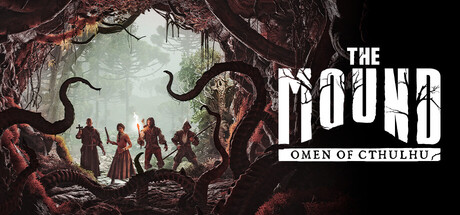
The cosmic horror of H.P. Lovecraft has long served as a double-edged sword for game developers. Translating the unfathomable dread of the Cthulhu Mythos into an interactive medium requires a delicate balance between atmospheric storytelling and engaging gameplay loops. Too often, titles fall into the trap of generic jump scares or fail to capture the existential dread that defines the genre. Enter The Mound: Omen of Cthulhu, a title that attempts to break the mold by fusing cooperative survival mechanics with deep, atmospheric horror. Amidst a market saturated with shallow, cooperative party games—often derisively termed "friendslop"—hardcore gamers and Lovecraft enthusiasts harbored high expectations for a game that promised a mature, tense, and mechanically rich experience. This review dissects whether this ambitious title lives up to its lofty promises or succumbs to the weight of its own technical shortcomings.2. Gameplay Mechanics: Core Loop and the Proof of Originality
At its heart, the core gameplay loop of The Mound: Omen of Cthulhu revolves around high-stakes exploration, resource management, and tactical coordination within a hostile, claustrophobic jungle environment. The game excels at building tension, forcing players to carefully manage their limited resources while navigating treacherous terrain. However, this mechanical promise is severely hindered by glaring UX/UI bottlenecks and pacing issues. A prime example is the game's prologue, which serves as a baffling introduction. Rather than building tension, it forces players through a mundane sequence of picking up a machete to perform trivial tasks, disrupting the narrative momentum before the game even truly begins.Furthermore, the combat and movement systems suffer from a critical design imbalance. Player movement and attack animations feel sluggish and unresponsive—a clunkiness that stands in stark contrast to the lightning-fast, aggressive attack patterns of the enemy AI. This discrepancy does not create a fair, organic challenge; instead, it introduces artificial difficulty that frustrates rather than engages. Additionally, the game's central hub—a massive ship—feels sterile and underutilized. Despite its impressive scale, the lack of an active AI crew leaves the vessel feeling lifeless. Populating the ship with dynamic NPCs reacting to the unfolding horrors would have significantly enhanced the meta-gameplay and narrative immersion.
3. Visual Architecture, Soundscape, and Optimization Engineering
Visually and aurally, The Mound: Omen of Cthulhu is a masterclass in atmospheric design. The developers have utilized advanced lighting and environmental rendering to create a jungle that feels genuinely alive and predatory. The oppressive canopy, shifting shadows, and decaying ruins evoke a palpable sense of dread. This visual fidelity is perfectly complemented by a sophisticated soundscape. The directional audio, ambient whispers, and sudden, jarring noises of the jungle keep players in a constant state of high alert, demonstrating a deep understanding of psychological horror.Unfortunately, these artistic achievements are severely undermined by atrocious technical optimization. The game suffers from frequent frame rate drops, even on high-end hardware, and stability is a major concern. Players report frequent mid-mission crashes, which are particularly devastating in a co-op setting where progress is entirely wiped. Furthermore, critical bugs—such as the complete loss of game audio during intense encounters—shatter the immersion and point to a severe lack of rigorous quality assurance. Without immediate technical optimization, the game's brilliant atmosphere remains trapped behind a barrier of technical frustration.
4. Global Sentiment Analysis and Final Master Verdict
Global player sentiment is highly polarized, reflecting a classic conflict between artistic vision and technical execution. While players praise the game's incredible atmosphere, unique co-op premise, and genuine horror elements, they are equally vocal in their condemnation of its unpolished state. The consensus is clear: The Mound: Omen of Cthulhu feels like an Early Access title that was prematurely pushed to a full release. The foundation for a genre-defining cooperative horror game is undeniably present, but it is currently buried under clunky mechanics, poor optimization, and game-breaking bugs. In its current state, it is a diamond in the rough—highly recommended for patient horror enthusiasts willing to overlook technical flaws, but a frustrating experience for the general public. The game's ultimate legacy will depend entirely on the developer's commitment to post-launch support and optimization.Final Verdict: 6.5 / 10 (An atmospheric triumph held back by technical instability)
👉 View on Steam




댓글 없음:
댓글 쓰기