1. Introduction: Game Overview and Market Expectations
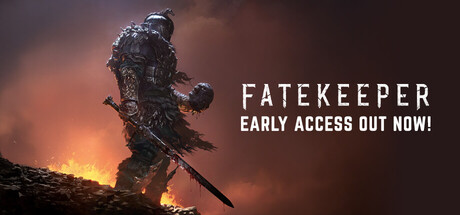
In the contemporary gaming landscape, where third-person Souls-likes and sprawling open-world adventures dominate the action RPG genre, there is a distinct, nostalgic yearning for the classic first-person dungeon crawlers of yesteryear. Enter 'Fatekeeper', an ambitious indie title developed by a compact team of just 13 developers. Released in Early Access, the game immediately captured the attention of core RPG enthusiasts by promising to revive the spirit of cult classics, most notably the legendary 'Dark Messiah of Might and Magic'. By blending visceral, physics-based first-person melee combat with dark, atmospheric fantasy elements, 'Fatekeeper' set high expectations for itself. It aims to fill a long-vacant niche, offering players a gritty, sword-and-sorcery experience reminiscent of old-school fantasy archetypes like Conan the Barbarian, but modernized with cutting-edge visual technology. As an Early Access title, the primary question is whether this project lays down a solid foundation for a triumphant revival or if it is merely an overly ambitious concept struggling under its own weight.
2. Core Gameplay Mechanics Deep Dive
At its core, 'Fatekeeper' attempts to deliver a highly tactile and responsive first-person combat system. The developers have focused heavily on the physical feedback of swinging weapons, casting spells, and interacting with the environment. However, in its current state, the gameplay mechanics suffer from significant balancing issues and clunky design choices. Combat heavily favors dodging, which acts as the premier defensive maneuver, offering reliable invincibility frames and positioning advantages. Conversely, the blocking mechanic—awkwardly mapped to the 'R' key—feels incredibly sluggish and drains an excessive amount of stamina, rendering it practically useless in high-stakes encounters. Furthermore, the core gameplay loop is marred by a punishing progression system. The game forces players through long, grueling stretches of combat against relentless waves of enemies without providing adequate checkpoints or essential alchemy ingredients. Consequently, dying results in losing up to 15 minutes of hard-earned progress, a design choice that feels less like a fair challenge and more like artificial difficulty. With only about two hours of content currently available and basic features like controller sensitivity adjustments entirely missing, the game is undeniably in a very raw, alpha-like state of development.
3. Graphics, Sound, and Optimization Quality
Visually, 'Fatekeeper' is nothing short of spectacular, especially considering the modest size of its development team. The game utilizes modern rendering techniques to construct highly detailed, atmospheric, and claustrophobic dungeon environments. The dynamic lighting is a standout feature; torches flicker realistically, casting long, ominous shadows that dance across highly detailed stone textures, perfectly capturing the grim aesthetic of dark fantasy. This visual excellence is complemented by a robust sound design. The ambient audio—ranging from distant, unsettling groans echoing through the corridors to the sharp, metallic clank of swords clashing—succeeds in building a palpable sense of dread and tension. However, this aesthetic triumph is contrasted by technical unpolish. While the game supports controllers and even features subtle haptic feedback tied to character movement, the lack of in-game configuration options, such as deadzone or sensitivity settings, hinders the experience. Additionally, the lack of localization options and occasional frame rate drops indicate that significant optimization work is required before the game can achieve true technical stability.
4. Global User Sentiment and Final Rating
Global player reception is highly polarized, largely depending on individual expectations regarding the 'Early Access' label. Positive reviews from the community urge players to view the game through the lens of active development. These players defend the project, arguing that critics who leave negative reviews fail to understand that Early Access is essentially an open alpha phase. They praise the 13-person team for delivering phenomenal visuals and capturing the nostalgic essence of 'Dark Messiah'. On the other end of the spectrum, negative feedback focuses heavily on the frustrating gameplay loop, the lack of narrative depth, and the repetitive nature of the dungeon-clearing mechanics. Many users express skepticism about whether the developers can deliver a cohesive narrative or diverse gameplay loop beyond simple combat arenas by the time of the full release. In conclusion, 'Fatekeeper' possesses a gorgeous, highly promising skeleton, but it currently lacks the muscle and sinew of a complete game. It is a fascinating project for dedicated fans of first-person fantasy action who wish to support its development, but general audiences should wait for more substantial updates.
Final Rating: 6.5 / 10 (A Promising but Highly Unfinished Canvas)
👉 View on Steam


댓글 없음:
댓글 쓰기