Introduction: The Evolution of an Esports Phenomenon
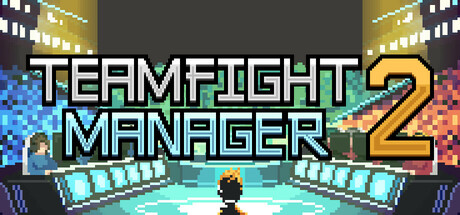
When the original Teamfight Manager debuted, it carved out a unique niche in the simulation genre. It combined the high-stakes tension of multiplayer online battle arena (MOBA) drafts with the addictive progression of indie management sims. It was charming, relatively simple, and highly accessible. Now, Teamfight Manager 2 arrives with grander ambitions, attempting to transform this beloved formula into a massive, macro-level sports management simulation. However, this transition from a cozy indie title to a complex, data-heavy simulator has divided the community. While some praise its newfound depth, others are left frustrated by glaring technical issues and questionable design choices.
A New Management Paradigm: From Grassroots to Gridiron
The most immediate shock for returning players is the fundamental shift in the gameplay loop. In the first game, players experienced a classic "zero-to-hero" journey, starting with a ragtag group of amateurs and slowly building them into world champions. Teamfight Manager 2 throws this progression out the window. Instead, you are thrust directly into an established professional league, often starting with a fully formed roster, a massive fan base, and a complex budget to manage. This shift aligns the game much closer with traditional sports simulators like Football Manager. You are no longer just a coach training players; you are a general manager navigating a highly competitive transfer market, balancing financial sheets, and scouting established talent. For players who enjoy the macro-management of sports franchises, this is an incredibly rewarding evolution. However, fans of the original's intimate player-development loop may feel alienated, as the game now heavily prioritizes trading and recruiting over organic player growth.
The Draft Phase and Tactical Depth
Where Teamfight Manager 2 truly shines is in its expanded champion pool and tactical variety. The drafting phase remains the heart of the gameplay, and the sequel elevates this mechanic to new heights. With a vastly increased roster of champions, each possessing unique skill sets, synergies, and counters, the pre-match ban-and-pick phase is a thrilling game of chess. You must constantly analyze the opponent's preferences, adapt to the shifting meta, and draft a composition that maximizes your players' strengths. The tactical depth here is outstanding, offering countless hours of theorycrafting for strategy enthusiasts. When a draft plan comes together perfectly, the sense of intellectual satisfaction is unmatched.
The AI Controversy: Hyper-Realism or Broken Mechanics?
However, once the draft concludes and the players step onto the virtual rift, the experience begins to falter. The game's artificial intelligence has become the most controversial aspect of the sequel. On one hand, some players find the AI's erratic behavior to be a hilariously accurate representation of real-world "solo queue" matchmaking. There is a certain dark humor in watching your star jungler ignore your pings, charge 1v5 into the enemy team, lose the objective, and die instantly. On the other hand, from a competitive management perspective, this nonfunctional AI is deeply frustrating. Players have documented numerous instances where high-stat professional players make baffling, amateurish mistakes. Characters will stand idle in lanes while major objectives like the Serpent are being taken right next to them, or they will initiate unnecessary recalls immediately after securing a kill instead of pushing their advantage. When a player's high stats in "Positioning" and "Judgment" fail to prevent them from making game-throwing decisions, the simulation aspect of the game begins to break down, leaving players feeling powerless.
UI Clutter and Technical Growing Pains
Compounding the gameplay frustrations is a heavily cluttered user interface. The clean, minimalist charm of the first game has been replaced by a barrage of menus, sub-menus, and overwhelming data screens. Many of these menus feel like useless clutter, making navigation a chore rather than an intuitive experience. Furthermore, the game suffers from severe optimization issues. Despite its modest visual presentation, players have reported their PCs running hot, with fans revving up to maximum speeds during simple menu navigation. Screen freezes, hard lags during weekly transitions, and game-breaking bugs—such as 5v5 matches failing to load because the opponent's roster is incomplete—are unfortunately common. Additionally, the localization, particularly the Chinese translation, has been criticized for feeling like a cheap machine translation, further alienating international audiences.
The Verdict: A Diamond in the Rough
Teamfight Manager 2 is a highly ambitious sequel that attempts to bridge the gap between indie drafting sims and hardcore sports management games. It succeeds in delivering a deep, complex drafting experience and a realistic franchise management loop. However, it is currently held back by erratic AI, a cluttered UI, and poor optimization. When compared to competitors like 'Esports Godfather', which offers a more polished and cohesive experience, Teamfight Manager 2 feels like it was rushed out of the oven. If you are a die-hard fan of Football Manager-style games and can overlook the technical flaws and AI quirks, you will find a deeply engaging simulator here. For everyone else, it may be wise to wait for future patches and mod support to iron out the wrinkles before diving in.
👉 View on Steam




댓글 없음:
댓글 쓰기